

WHAT IS CROSS-SITE SCRIPTING (XSS)?

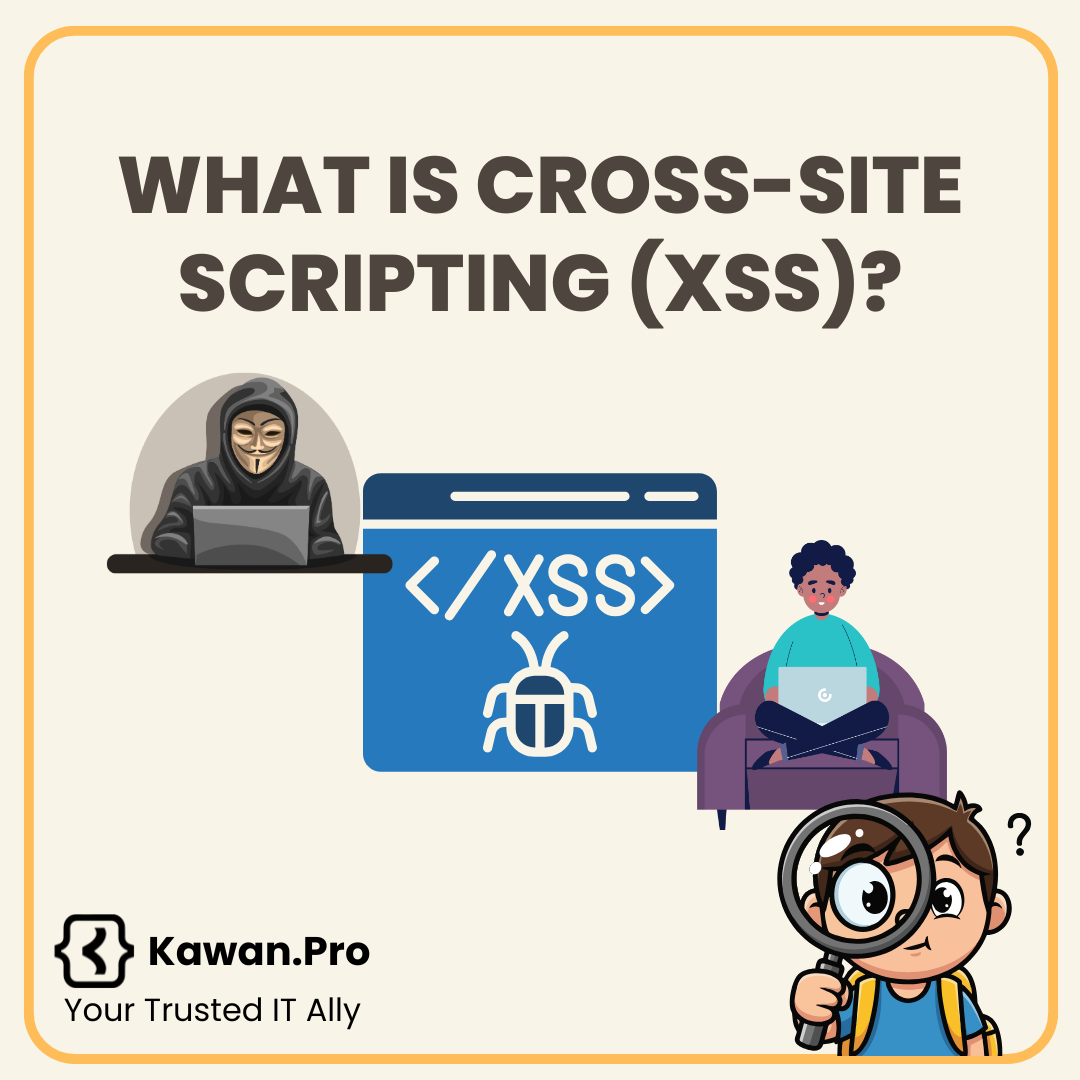
Cross-Site Scripting (XSS) is a web security vulnerability that allows attackers to inject malicious JavaScript code into a trusted website. When users visit the affected page, the malicious script runs in their browser as if it came from the legitimate website. This can allow attackers to steal data, hijack user sessions, or manipulate website content.
XSS = attacker injects script → victim’s browser executes it
KEY FUNCTIONS OF AN XSS ATTACK
Execute Malicious Scripts = Runs attacker-controlled JavaScript in a victim’s browser.
Steal Sensitive Information = Captures cookies, session tokens, or form data.
Session Hijacking = Allows attackers to impersonate users by stealing login sessions.
Website Defacement = Modifies page content to display fake messages or links.
User Redirection = Forces victims to malicious or phishing websites.
WHY IS XSS DANGEROUS?
✔ Affects real users, not just servers
✔ Exploits trust in legitimate websites
✔ Can bypass authentication controls
✔ Leads to account compromise
✔ One vulnerable page can affect thousands of users
Without proper protection, XSS can turn trusted websites into attack platforms.
COMMON TYPES OF XSS
Stored XSS – Malicious script is saved in the database and executed for every visitor
Reflected XSS – Script is reflected via URL or input and executed immediately
DOM-Based XSS – Vulnerability exists in client-side JavaScript
Input Validation Failures – User input is not properly sanitized
Output Encoding Issues – Data is displayed without proper escaping
HOW TO PREVENT XSS
✔ Validate and sanitize all user inputs
✔ Encode output before displaying it
✔ Use Content Security Policy (CSP)
✔ Avoid inline JavaScript
✔ Keep frameworks and libraries updated
FOUND THIS HELPFUL?
👍 Like if you learned something new
🔁 Share to spread cybersecurity awareness
🔔 Follow for more simple cybersecurity explainers
--
Subscribe to our newsletter so you don’t miss our informative insights!
Visit

and subscribe today 🚀